Monthly FinOps Advisory
For teams that want ongoing cost review after the audit: monthly reporting, anomaly checks, commitment planning, and advisory support for cost decisions.
SaveMoreClouds helps growing AWS teams identify wasted spend, risky assumptions, and missed cost controls. Start with a fixed-fee audit: read-only access, 10 business days, and a prioritized roadmap your team can act on.
Enough spend for audit ROI to matter
No write access needed to start
Impact, effort, risk, owner, next step
Your engineers are shipping. Finance needs answers. Meanwhile, resources, pricing commitments, and architecture decisions accumulate faster than anyone has time to review them.
This ownership gap is normal—and fixable. A read-only AWS cost audit turns unclear spend into a ranked list of actions, owners, expected impact, and next steps.
See if the audit fits your teamThe bill grows, but no one can connect the increase to a product, team, or decision.
Volumes, snapshots, instances, and services outlive the projects that created them.
Cloud costs arrive as a bill, not an owner-ready account of what changed and why.
Savings Plans, Reserved Instances, and architecture tradeoffs remain unresolved because no one has time to model them.
SaveMoreClouds is built for teams that need practical cost decisions, not another dashboard to interpret. If the account is large enough to justify the work, the audit gives your team a ranked plan before any ongoing engagement is discussed.
The fixed-fee audit is the entry point. It gives you a clear view of the account before any ongoing advisory or performance-based engagement is discussed.
At meaningful AWS spend, even a small improvement can outweigh the fixed fee. Not every finding is immediate savings; some findings improve risk, visibility, or cost control before they reduce the bill.
A 10-business-day review of your AWS environment. You get top findings, owner-ready next steps, and a walkthrough so your team can decide what to change first.
Set by account complexity, not a percentage of your savings.
Check if an audit is worth itSingle-account or simpler environments where the review is mostly usage cleanup, basic storage checks, and commitment sanity checks.
Multi-account or mixed-service environments with EC2, RDS, S3, transfer, tagging, and reporting questions to sort through.
More complex AWS Organizations, commitment models, transfer drivers, tagging gaps, or finance reporting needs.
For teams that want ongoing cost review after the audit: monthly reporting, anomaly checks, commitment planning, and advisory support for cost decisions.
Available for larger accounts where savings can be measured cleanly. Baseline, verification method, and any minimum fee are documented before work begins.
We review your costs with read-only access, identify the highest-value opportunities, and give your team a clear path forward.
Grant read-only access to the billing data needed for the audit. Your infrastructure and AWS configuration stay unchanged.
Get a written action plan that turns billing data into practical decisions your engineering and finance teams can evaluate.
The roadmap is yours. Choose the level of support that fits your team, priorities, and available engineering time.
Free 20-minute fit call. No commitment.
SaveMoreClouds is an AWS-only cost optimization practice built for teams that need clear cloud spend decisions without hiring a full FinOps function.
The work is narrow on purpose: AWS billing, usage patterns, architecture tradeoffs, and practical recommendations your team can verify. The audit starts with read-only access and ends with a roadmap you can use whether or not you continue with ongoing support.
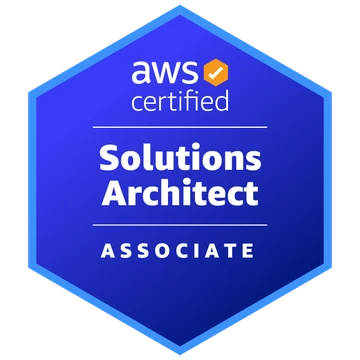
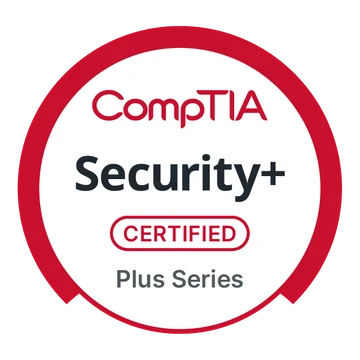
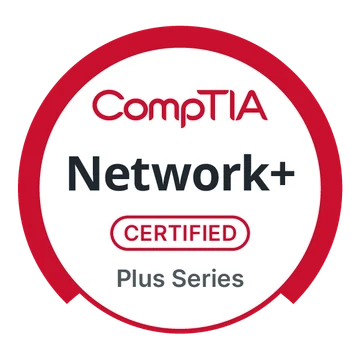
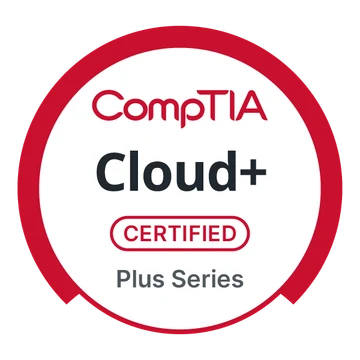
Verified Certifications


AWS-focused cost review, billing visibility, and infrastructure tradeoff analysis
Every finding is ranked by estimated impact, implementation effort, operational risk, and owner. The goal is a practical roadmap your team can validate before changing infrastructure.
EC2, ECS, Lambda, and RDS usage patterns reviewed for low utilization, stale assumptions, and avoidable capacity.
S3 classes, EBS volume types, snapshots, and retention policies checked for cost controls your team can verify.
NAT, cross-AZ, internet egress, and architecture-driven transfer costs reviewed for explainable spend drivers.
Detached volumes, orphaned IPs, old snapshots, unused load balancers, and quiet resources queued for owner review.
Reserved Instance and Savings Plan coverage modeled so you can compare flexibility, risk, and cost control.
Tagging, account structure, charge categories, and reporting gaps reviewed so finance can understand what changed.
The audit output is not a vague dashboard export. Each row names the issue, the expected value, the work involved, the risk to validate, the likely owner, and the next action.
No. The audit starts with read-only access to billing and usage data, including Cost Explorer and the Cost and Usage Report. Write access is not needed for the audit phase.
The audit typically needs read-only billing visibility, Cost Explorer access, Cost and Usage Report access, and enough service inventory visibility to explain the spend. The exact policy is confirmed before work starts.
Read-only billing access, context on the main workloads, and a short onboarding call. The goal is to understand what the AWS bill represents before recommending changes.
The report is a practical findings list, not a generic dashboard export. Each finding includes expected impact, implementation effort, operational risk, likely owner, and the next step your team can validate.
It depends on account maturity, usage patterns, and how quickly recommendations can be validated. At $20K/month, a 5% improvement is about $12K/year; at $50K/month, it is about $30K/year. Some findings improve visibility, risk, or control rather than immediate savings.
The fixed-fee audit produces recommendations and a ranked roadmap. Implementation can stay with your engineering team, or selected changes can be scoped separately after the audit.
The best first call usually includes whoever owns AWS day to day and whoever cares about the bill. For many teams that means an engineering lead, platform owner, finance partner, founder, or operations lead.
Yes. Multi-account structure, AWS Organizations, tagging, chargeback, and billing visibility are common parts of the audit. More complex account structures may place the audit toward the higher end of the fixed-fee range.
If the account looks too small, already well-managed, or unlikely to justify a paid audit, we'll say that during the call or proposal stage when it is obvious from the information available.
AWS billing and architecture tradeoffs are deep enough on their own. Staying AWS-only keeps the work focused on the details that drive spend: usage patterns, storage choices, data transfer, commitments, account structure, and reporting.
Savings-share is only considered after an audit for larger accounts where savings can be measured cleanly. Baseline, verification method, exclusions, and any minimum fee are documented before work begins.
Start with a free 20-minute call. We'll look at your AWS spend range, talk through the account context, and decide whether a fixed-fee audit is likely to be worth your time.
Send your spend range first, then use the free 20-minute call to decide whether a paid audit is justified. No commitment, no sales pressure — just a direct conversation about fit.
Thanks for reaching out. We'll review your details and get back to you within 1 business day to schedule your free 20-minute call.